
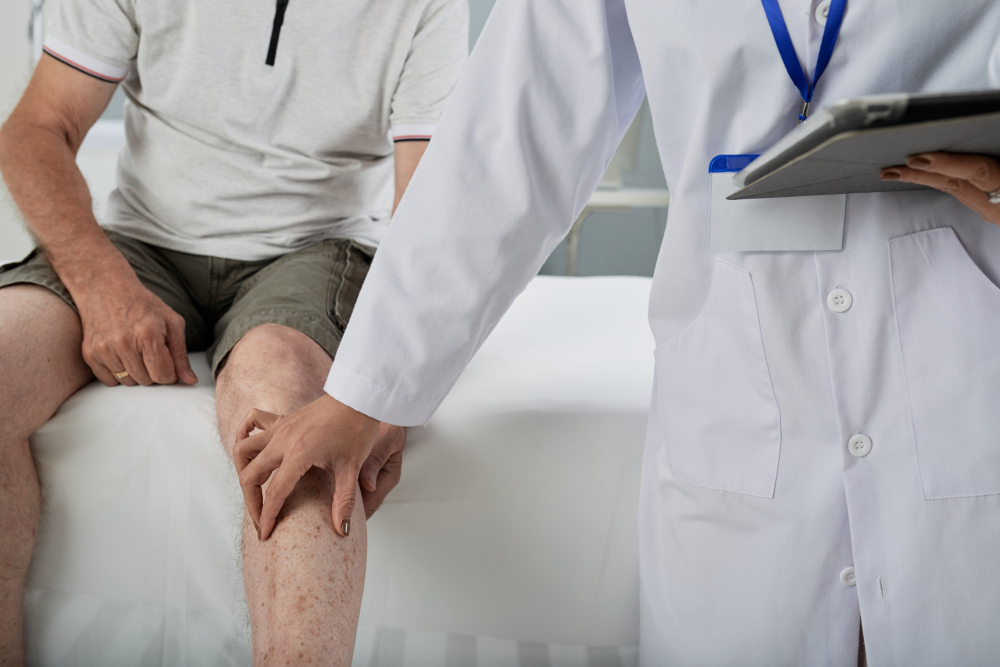
Understanding Knee Pain and Its Impact
Knee pain is a common problem for people of all ages. It can make walking, climbing stairs, or even sitting hard. Because the knee is a large joint, it often gets hurt or worn out over time. For many, non-surgical treatments for knee pain offer relief without the need for surgery. According to the CDC, knee pain is one of the main reasons adults visit their doctor. While some pain goes away on its own, other cases need special care. As a result, knowing your options can help you stay active and comfortable.
What Is Platelet-Rich Plasma (PRP) Therapy?
PRP for knee pain is a newer treatment. It uses your own blood to help heal your knee. First, a doctor takes a small amount of your blood. Then, they spin it in a machine to separate the platelets. These platelets are rich in growth factors, which help your body heal. After that, the doctor injects the PRP into your knee. Studies in medical journals show PRP may reduce pain and improve movement for some people. However, results can vary. While some feel better quickly, others may need more time or extra treatments.
Types of Knee Injections and Their Effectiveness
Several types of knee injections can help manage pain. Each works in a different way. For example, corticosteroid injections reduce swelling and pain fast. However, their effect may not last long. Hyaluronic acid injections add fluid to the knee, which can help it move more smoothly. Some people feel relief for months. Other options include platelet-rich plasma (PRP) and newer treatments like stem cell injections. Yet, not all injections work for everyone. Because of this, your doctor will help choose the best option for you.
The Role of Physiotherapy in Managing Knee Pain
Physiotherapy for knee pain is a key part of treatment. It helps strengthen muscles around the knee and improves movement. As a result, many people feel less pain and can do more daily activities. A physiotherapist will show you safe exercises and stretches. They may also use heat, ice, or gentle massage. According to the World Health Organization, regular exercise can help prevent and manage joint pain. While progress may be slow at first, sticking with your program often brings lasting results.
Comparing PRP, Injections, and Physiotherapy: Benefits and Limitations
Each non-surgical knee pain treatment has its own benefits and limits. For instance, PRP may help some people heal faster, but it is not always covered by insurance. Knee injections like corticosteroids work quickly, yet their effects may not last. On the other hand, physiotherapy takes time but can offer long-term relief. Because every knee is different, your doctor may suggest a mix of these treatments. While some people need only one type, others may benefit from combining them.
Lifestyle Tips to Support Non-Surgical Knee Pain Management
Simple lifestyle changes can help support non-surgical treatments for knee pain. For example, keeping a healthy weight reduces stress on your knees. Wearing supportive shoes can also make a big difference. Because regular movement keeps joints flexible, try gentle activities like walking or swimming. If you sit for long periods, stand up and stretch often. While it may be tempting to rest, staying active usually helps your knees feel better.
Prevention Strategies for Knee Pain
Preventing knee pain is possible with a few simple steps. First, always warm up before exercise. Next, strengthen the muscles around your knee with regular activity. Because sudden movements can cause injury, move slowly and carefully. If you play sports, use the right gear and follow safety rules. Finally, listen to your body. If you feel pain, take a break and rest your knee. These habits can help keep your knees healthy for years to come.
If you are looking for non-surgical options for knee pain treatment then consult at REGENIO Center for Orthopaedics