
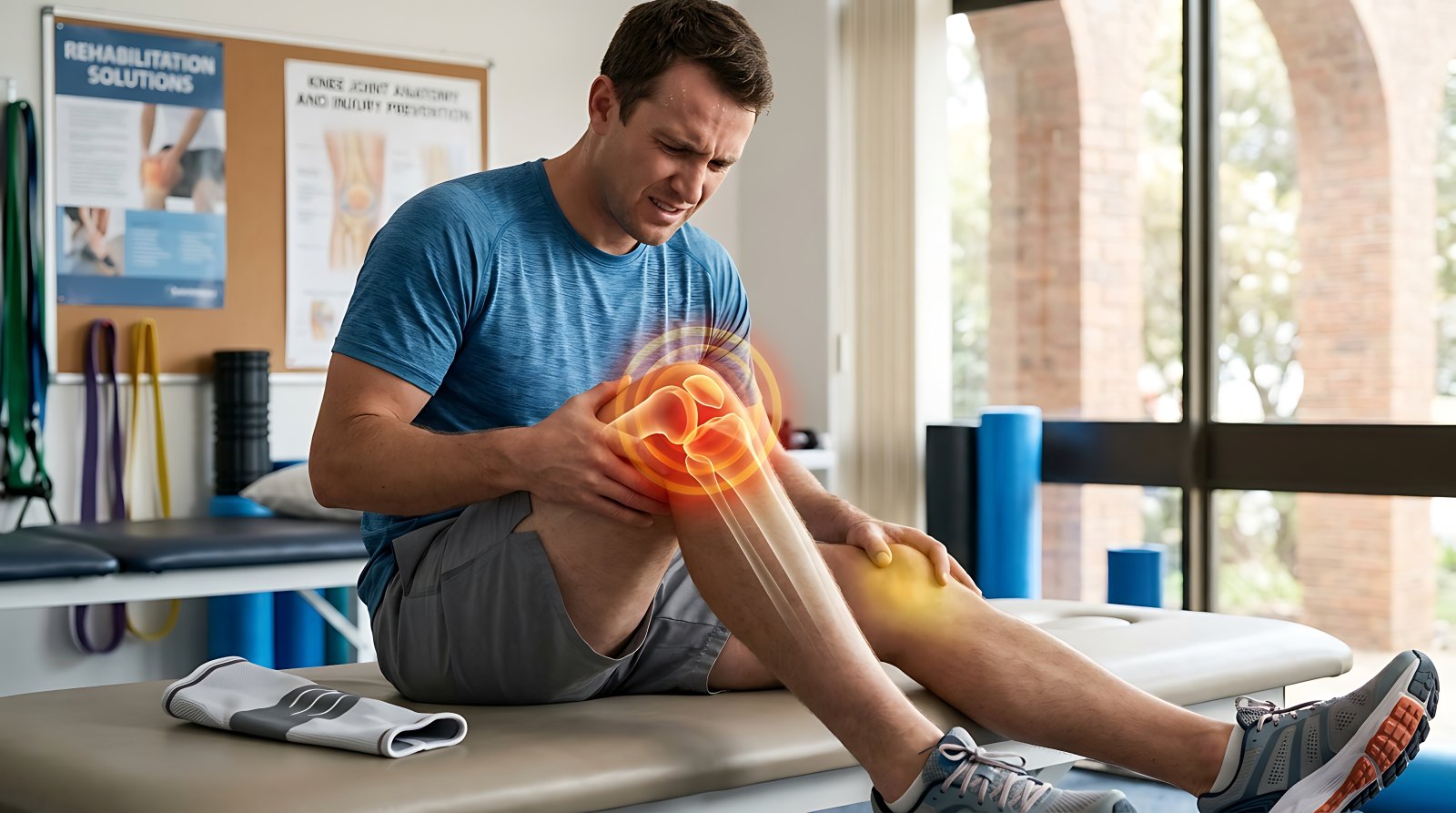
What Is Knee Cap Dislocation?
Knee cap dislocation happens when the patella, or knee cap, moves out of its normal place. Usually, the knee cap sits in a groove at the end of the thigh bone. When it slips out, it can cause pain and swelling. In many cases, this injury affects active people. However, anyone can experience it. Knee cap dislocation treatment depends on how severe the injury is. Sometimes, surgery is needed to fix the problem and prevent it from happening again.
Common Causes of Knee Cap Dislocation
There are several reasons why a knee cap might dislocate. For example, a sudden twist or a direct blow can push the knee cap out of place. In addition, weak leg muscles or loose ligaments may make dislocation more likely. Some people are born with shallow grooves in their knee bones, which can also raise the risk. Here are some common causes:
Because these causes are common, it is important to know how to protect your knees during activities.
Recognizing Symptoms
When a knee cap dislocates, symptoms often appear right away. For instance, you might feel a sharp pain in your knee. Sometimes, the knee looks out of shape or swollen. Other signs can include:
Because these symptoms can be severe, it is important to seek medical help right away.
How Knee Cap Dislocation Is Diagnosed
Doctors use several steps to diagnose knee cap dislocation. First, they will ask about how the injury happened. Next, they will check your knee for swelling, bruising, and movement. Often, doctors order X-rays to see if the bones are out of place. Sometimes, an MRI is needed to look at the soft tissues. This helps show if there is damage to ligaments or cartilage. Early diagnosis can help guide the best knee cap dislocation treatment plan.
Surgical Solutions for Knee Cap Dislocation
Sometimes, surgery is needed if the knee cap keeps dislocating or if there is damage inside the knee. For example, patellar dislocation surgery can repair torn ligaments or realign the knee cap. There are several surgical options:
Because each case is different, doctors choose the best surgery based on your needs. Surgical solutions can help prevent future dislocations and improve knee function.
Recovery and Rehabilitation After Surgery
After patellar dislocation surgery, recovery takes time. At first, you may need crutches or a knee brace. Physical therapy starts soon after surgery. This helps you regain strength and movement. Recovery after knee cap surgery often includes:
Because recovery is a step-by-step process, following your care plan is important. Most people return to normal activities within a few months, but healing times can vary.
Tips for Prevention
While not all knee cap dislocations can be prevented, some steps can lower your risk. For instance, keeping your leg muscles strong helps support the knee. Here are some helpful tips:
Because prevention is key, taking care of your knees can help you stay active and healthy.
Conclusion
Knee cap dislocation can cause pain, swelling, instability, and difficulty moving the knee. While some cases improve with rehabilitation and supportive care, recurrent dislocations or associated damage may require surgical treatment. Early orthopaedic evaluation helps determine the right approach based on the cause and severity.
Experiencing repeated knee cap dislocation or instability?
Consult the orthopaedic team at REGENIO Center for Orthopaedics for personalised evaluation and treatment guidance.