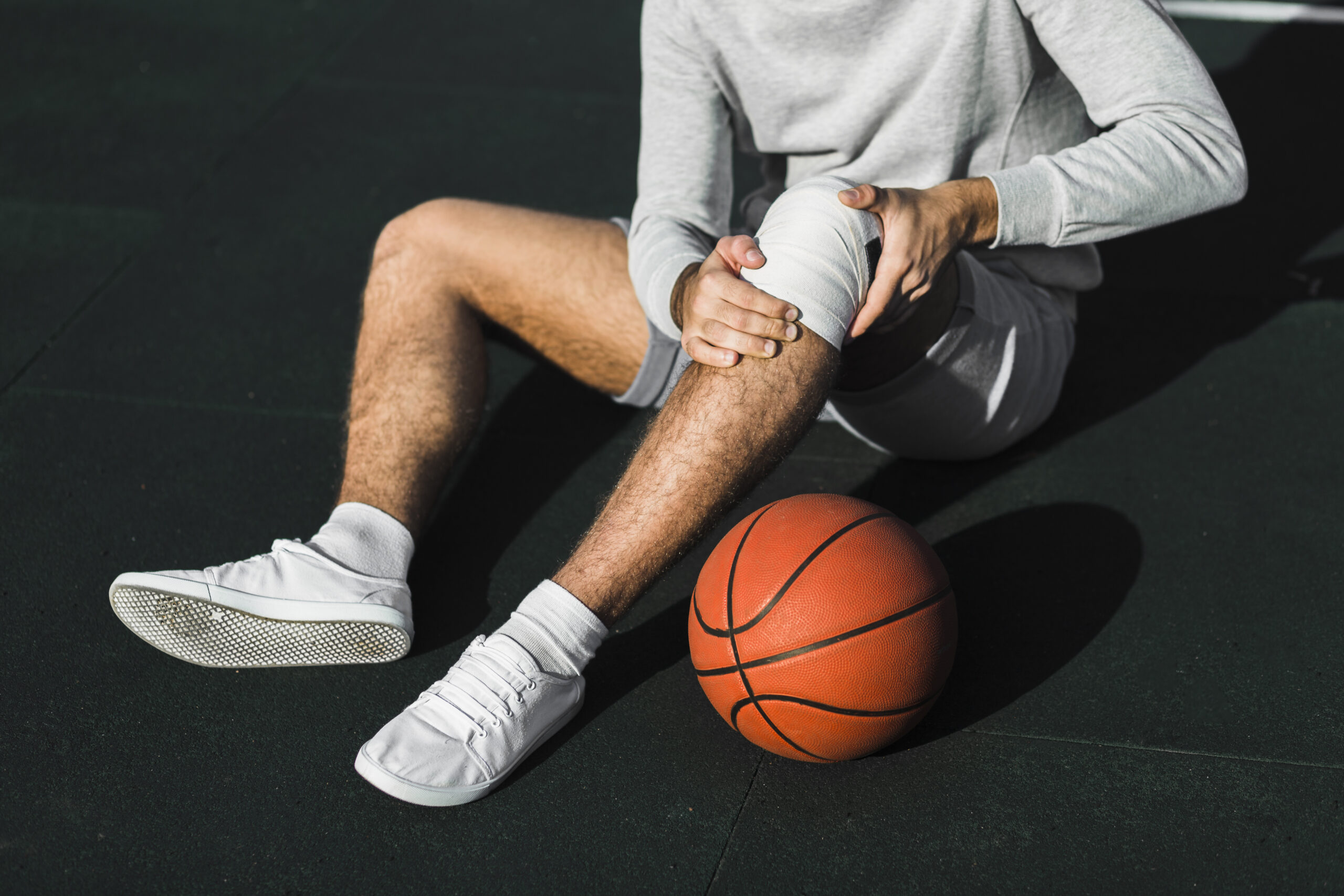
Returning to sports after orthopaedic injury can be challenging. However, with the right approach, you can safely get back to your favorite activities. The process of a safe return to sports after orthopaedic injury is important. It helps prevent further damage and supports long-term health. In this blog, you will find practical tips, learn about common challenges, and discover ways to avoid re-injury.
Understanding Orthopaedic Injuries in Sports
Orthopaedic injuries affect the bones, joints, muscles, or ligaments. These injuries are common in sports. For example, sprains, fractures, and dislocations often happen during physical activity. Sometimes, you may notice pain, swelling, or trouble moving a joint. If you feel these symptoms, it is important to rest and seek help. Early diagnosis helps prevent more serious problems. According to the CDC, sports injuries are a leading cause of missed activity days for young and adult athletes.
Common Challenges After Injury
After an orthopaedic injury, many people face both physical and mental hurdles. For instance, you may feel pain, stiffness, or weakness. In addition, fear of re-injury can make you nervous about returning to sports. Sometimes, swelling or limited movement lasts longer than expected. These challenges can slow your progress. However, with patience and the right support, you can overcome them. Monitoring your symptoms and progress is key to a safe recovery.
Essential Tips for a Safe Return to Sports
To help you return to sports safely after an orthopaedic injury, consider these tips:
Moreover, always check with your healthcare provider before resuming sports. This helps ensure you are ready and lowers your risk of re-injury.
Importance of Rehabilitation and Physical Therapy
Rehabilitation is a key part of recovery after an orthopaedic injury. Physical therapy helps restore strength, flexibility, and balance. For example, your therapist may teach you exercises to improve movement and prevent stiffness. Regular rehab sessions speed up healing and reduce the chance of future injuries. In addition, therapists can guide you on safe ways to return to sports. According to the WHO, proper rehabilitation is vital for a full recovery.
Preventing Re-injury: Best Practices
Preventing sports re-injury is important for long-term health. Here are some best practices:
Additionally, regular check-ins with your doctor can help track your progress and catch any early signs of problems.
When to Consult an Orthopedic Specialist
Sometimes, you may need extra help to return to sports safely. You should consult an orthopedic specialist if:
Early consultation can prevent further injury and ensure you get the right care. In many cases, a specialist can create a personalized plan for your safe return to sports.
In summary, returning to sports after an orthopaedic injury requires patience, care, and the right support. Always follow your healthcare provider’s advice. Consult an orthopedic specialist at REGENIO Center for Orthopaedics for personalized advice before returning to sports.