What Is a Herniated Disc?
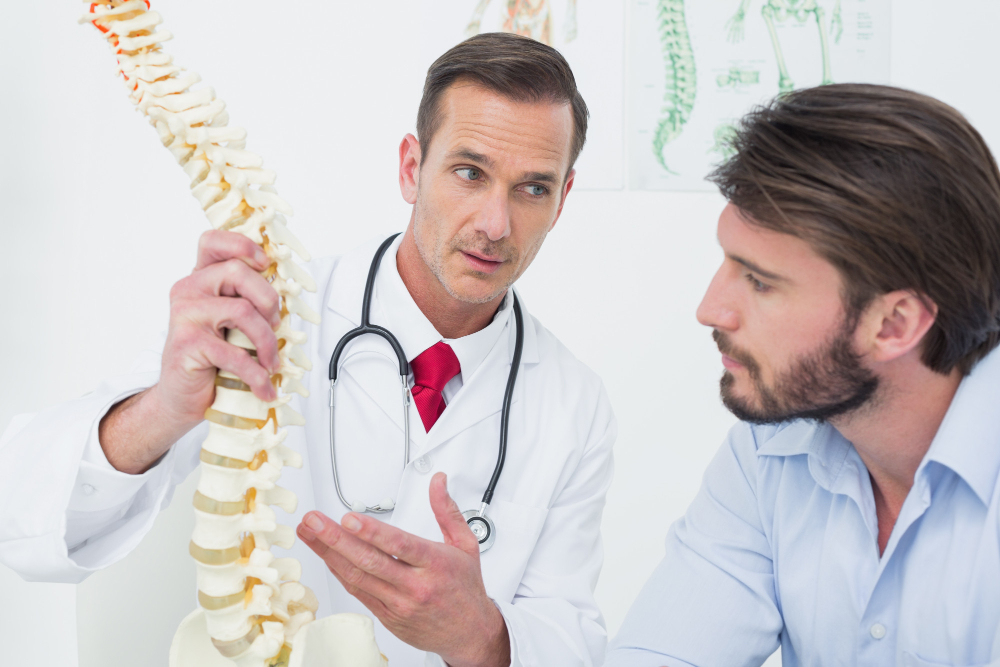
A herniated disc happens when a soft cushion between the bones in your spine slips out of place. This condition is also called a slipped or ruptured disc. Often, it can press on nearby nerves. Because of this, you may feel pain, numbness, or weakness. Many people wonder about herniated disc symptoms, herniated disc diagnosis, and herniated disc treatment options. Understanding these can help you seek the right care quickly.
Common Symptoms of a Herniated Disc
Not everyone with a herniated disc feels the same symptoms. However, some signs are more common than others. For example, you may notice:
Sometimes, symptoms can be mild. But in other cases, they can be severe and limit your daily activities. If you notice sudden loss of feeling or trouble controlling your bladder or bowels, seek medical help right away.
Causes and Risk Factors
There are several reasons why a herniated disc may occur. Most often, it happens because of wear and tear as you age. However, other factors can increase your risk. For instance:
Although anyone can get a herniated disc, it is more common in people aged 30 to 50. Men are also slightly more likely to have this problem than women.
How Is a Herniated Disc Diagnosed?
If you have symptoms, your doctor will start with a physical exam. They may ask about your pain, numbness, and weakness. Next, your doctor may check your reflexes and muscle strength. In many cases, imaging tests help confirm the diagnosis. These can include:
Sometimes, nerve tests are used to see how well your nerves work. Early diagnosis can help you get the right treatment sooner. If you live in a city with many hospitals, you may have faster access to these tests.
Treatment Options for a Herniated Disc
Many people recover from a herniated disc without surgery. In fact, most cases improve with simple treatments. Your doctor may suggest:
However, if your symptoms do not improve, your doctor may discuss other options. For example, steroid injections can help reduce swelling. In rare cases, surgery may be needed to remove part of the disc. According to the CDC and orthopedic experts, surgery is usually a last resort.
Lifestyle Tips and Prevention
Although you cannot always prevent a herniated disc, some habits can lower your risk. For instance, you can:
Additionally, stretching and good posture can help protect your spine. If you have a desk job, take breaks to move around. These steps can make a big difference over time.
Conclusion
A herniated disc can cause pain and limit your daily life. However, many treatment options are available. Early diagnosis and proper care can help you recover faster. If you think you have herniated disc symptoms, consult an orthopedic specialist at REGENIO Center for Orthopaedics for personalized advice on herniated disc symptoms and treatment options.