
Introduction
Cartilage transplantation is a modern, joint-preserving treatment for knee injuries. This procedure helps repair damaged knee cartilage and can prevent the need for joint replacement. Many people with knee pain or injury want to keep their natural joint. For them, cartilage transplantation offers hope. Orthopedic doctors use this treatment to restore smooth movement and reduce pain. As a result, patients can return to daily activities with less discomfort. According to the World Health Organization, joint health is key for mobility and quality of life.
What Is Cartilage Transplantation?
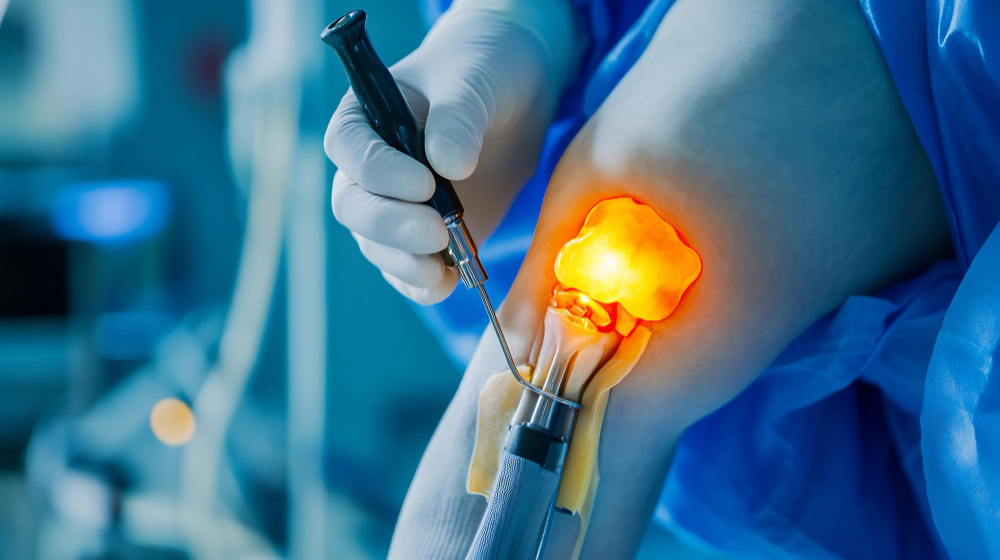
Cartilage transplantation is a surgical method to repair or replace damaged cartilage in the knee. Cartilage is a smooth tissue that covers the ends of bones in a joint. It helps bones glide easily and absorbs shock. When cartilage is damaged, movement becomes painful and stiff. In this procedure, healthy cartilage is placed into the injured area. Sometimes, the cartilage comes from the patient’s own body. Other times, it may come from a donor. This technique is a form of knee cartilage repair and is considered a minimally invasive knee treatment.
Common Causes of Knee Cartilage Damage
Many factors can harm knee cartilage. Some common causes include:
Over time, even small injuries can add up. Eventually, the cartilage may wear away, leading to pain and swelling.
Symptoms Indicating the Need for Cartilage Transplantation
Not every knee injury needs surgery. However, some signs suggest cartilage transplantation may help. For example, you might notice:
If these symptoms last for weeks, it is important to see a doctor. Early treatment can protect your joint and improve your quality of life.
How Is Cartilage Transplantation Performed?
Doctors use several methods for cartilage transplantation. The choice depends on the size and location of the damage. Common steps include:
Most procedures use small cuts and special tools. This approach is called minimally invasive knee treatment. It often leads to faster healing and less pain after surgery. According to the American Academy of Orthopaedic Surgeons, these techniques are safe and effective for many patients.
Benefits of Cartilage Transplantation for Knee Injuries
There are many reasons to consider cartilage transplantation. Some key benefits include:
For many people, this treatment offers a chance to stay active and avoid more invasive surgery.
Recovery and Rehabilitation Tips
After cartilage surgery, recovery is important. Your doctor will give you a plan to follow. Here are some tips for a smooth recovery:
With proper care, most people see steady improvement. According to peer-reviewed orthopedic journals, full recovery can take several months. However, many patients return to normal activities sooner.
Prevention and Lifestyle Guidance
Even after knee cartilage repair, it is wise to protect your joints. You can lower your risk of future injuries by:
Additionally, regular check-ups help catch problems early. Healthy habits support long-term joint preservation.
Risks and Considerations
Like all surgeries, cartilage transplantation has some risks. Possible issues include:
However, most people recover well with proper care. It is important to discuss all risks and benefits with your orthopedic specialist before deciding.
Conclusion
Cartilage transplantation is a joint-preserving treatment for knee injuries. It can help restore movement and reduce pain. If you have ongoing knee problems, consult an orthopedic specialist at REGENIO Center for Orthopaedics to discuss if cartilage transplantation is right for your knee injury.