
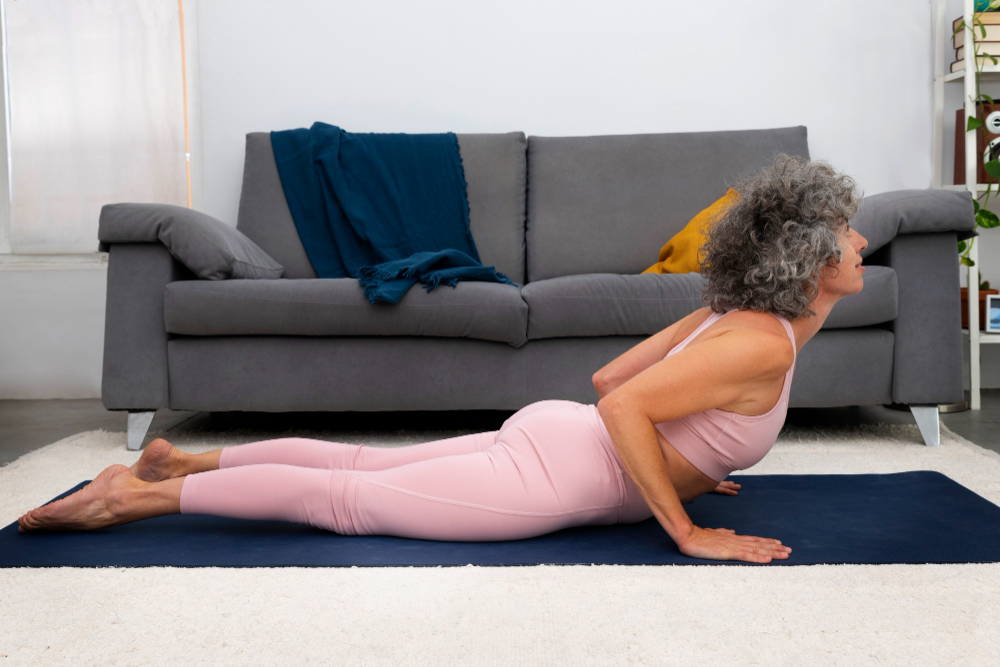
Introduction: Importance of Core Strength and Back Injury Prevention for Women Over 60
As women age, keeping the core strong becomes even more important. In fact, exercises to strengthen your core and prevent back injuries can help you stay active and independent. Many women over 60 look for safe core exercises to avoid pain and injury. For example, core exercises for women over 60 can improve balance and make daily tasks easier. Preventing back injuries in seniors is also key for a healthy, happy life. Safe core workouts for older adults can lower the risk of falls and boost confidence. Let’s explore why core strength matters and how you can protect your back.
Benefits of Core Exercises for Seniors
Core exercises offer many benefits for older women. First, they help support your spine. This means you are less likely to hurt your back. In addition, a strong core improves balance and posture. As a result, you may find it easier to walk, stand, or even get out of bed. Furthermore, regular core workouts can reduce back pain and stiffness. According to the CDC, staying active helps seniors keep their muscles and bones strong. Finally, core exercises can boost your mood and energy levels. For these reasons, adding core exercises to your routine is a smart choice.
5 Safe and Effective Core Exercises
Now, let’s look at five simple exercises that are safe for most women over 60. Always check with your doctor before starting a new routine.
1. Seated Marches
Safety Tips:
Modification: If needed, march slower or raise your knees only a little.
2. Pelvic Tilts
Safety Tips:
Modification: Place a small pillow under your head for comfort.
3. Standing Side Leg Lifts
Safety Tips:
Modification: Lift your leg only as high as comfortable.
4. Bird Dog (Modified)
Safety Tips:
Modification: Place a folded towel under your knees for comfort.
5. Wall Push-Ups
Safety Tips:
Modification: Step closer to the wall to make it easier.
Tips for Staying Safe While Exercising
Safety should always come first. Therefore, follow these tips to protect yourself while exercising:
Additionally, listen to your body and rest when needed. If you have health concerns, talk to your doctor before trying new exercises.
When to Consult an Orthopedic Specialist
Sometimes, you may need expert advice. For example, see an orthopedic specialist if you:
Moreover, if you are unsure which exercises are safe, a specialist can guide you. They can also suggest a program tailored to your needs.
Conclusion and Call-to-Action
In summary, core strength is vital for women over 60. With the right exercises, you can protect your back and stay active. Remember to start slow and use safe core workouts for older adults. Most importantly, consult an orthopedic specialist at REGENIO Center for Orthopaedics before starting any new exercise routine for personalized advice. Your health and safety always come first.