
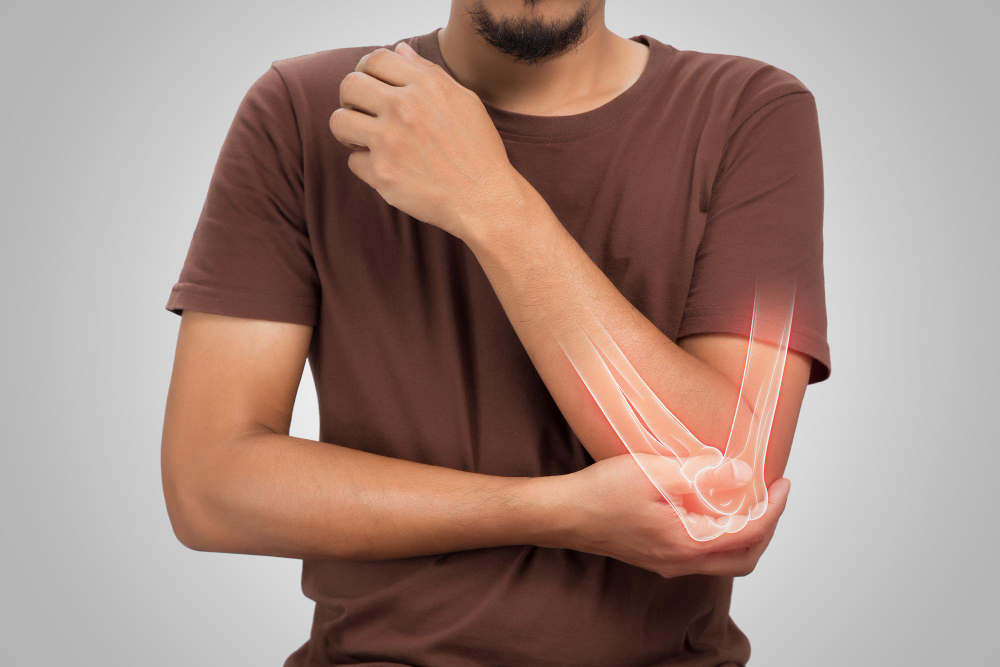
What Is an Elbow Dislocation?
An elbow dislocation is a type of elbow injury where the bones in your elbow joint move out of place. Usually, this happens when a strong force pushes the bones apart. As a result, the joint cannot move as it should. Elbow dislocation is a common joint dislocation, especially after falls or accidents. Because the elbow is important for arm movement, this injury can affect daily life. Understanding elbow recovery time helps you know what to expect after such an injury.
Common Causes of Elbow Dislocation
Many things can cause an elbow dislocation. However, some causes are more common than others. For example, falling on an outstretched hand often leads to this injury. In addition, car accidents or sports injuries can also cause the elbow to dislocate. Children and athletes may be at higher risk. Here are some common causes:
Because the elbow is a hinge joint, it is more likely to dislocate if a strong force is applied.
Symptoms and Signs
After an elbow dislocation, you may notice several symptoms right away. For instance, the elbow may look deformed or out of place. In addition, you might feel severe pain. Other signs include:
If you notice these symptoms, seek medical help quickly. Early treatment can help prevent long-term problems.
Diagnosis: How Doctors Identify Elbow Dislocation
Doctors use several steps to diagnose an elbow dislocation. First, they will ask about how the injury happened. Next, they will examine your arm for swelling, shape, and movement. Often, doctors use X-rays to see if the bones are out of place. Sometimes, they may order an MRI to check for damage to ligaments or blood vessels. Quick diagnosis is important, as it helps guide the right treatment and speeds up elbow recovery time. According to the American Academy of Orthopaedic Surgeons, early care lowers the risk of lasting damage.
Treatment Options for Elbow Dislocation
Treatment depends on how severe the dislocation is. In many cases, doctors can gently move the bones back into place. This is called a reduction. Afterward, they may use a splint or sling to keep the elbow still. However, if there are broken bones or torn ligaments, surgery may be needed. Treatment options include:
Because every injury is different, your doctor will choose the best treatment for you.
Recovery Timeline: How Long Does It Take?
Many people want to know about elbow recovery time. Recovery depends on the type of dislocation and treatment. For simple dislocations, healing may take 3 to 6 weeks. However, if surgery is needed, recovery can take several months. In most cases, people can return to normal activities within 6 to 12 weeks. Physical therapy often helps speed up recovery. According to the CDC, early movement can prevent stiffness. But, always follow your doctor’s advice for the best results.
Tips for a Smooth Recovery
Recovering from an elbow dislocation takes patience. Still, there are steps you can take to help the process. For example:
Because recovery can vary, always check with your healthcare provider if you have concerns.
Prevention: How to Avoid Elbow Dislocation
While not all accidents can be prevented, you can lower your risk of elbow dislocation. For instance, use safety gear during sports. In addition, keep your home free of tripping hazards. Other tips include:
Because prevention is easier than treatment, these steps can help protect your joints.
Conclusion
Elbow dislocation is a serious injury, but most people recover well with the right care. However, recovery time can vary based on the injury and treatment. For the best outcome, follow your doctor’s advice and attend all follow-up visits. Consult a REGENIO Center for Orthopaedics for personalized advice on elbow dislocation recovery.