
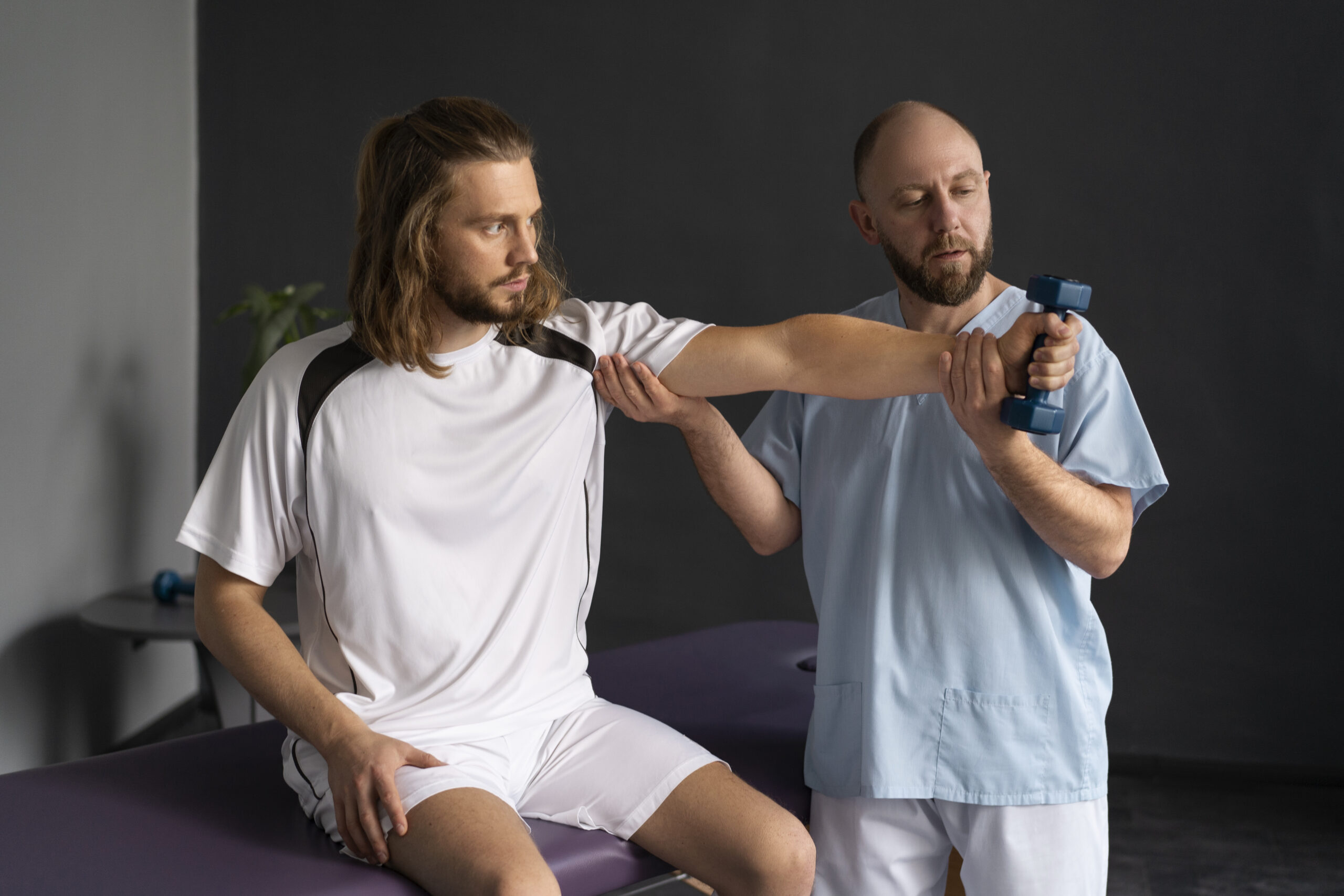
Introduction to Rotator Cuff Injuries
Rotator cuff injuries are common, especially in adults over 40. The rotator cuff is a group of muscles and tendons in your shoulder. It helps you lift and move your arm. When these tendons get torn or inflamed, you may feel pain or weakness. Many people look for the best rotator cuff injury treatment options. Recently, regenerative therapy for rotator cuff injuries has become a popular choice.
What is Regenerative Therapy?
Regenerative therapy uses your body’s own cells to help heal injuries. For example, doctors may use platelet-rich plasma (PRP) or stem cells. PRP therapy for shoulder injuries involves taking a small amount of your blood. Then, doctors spin it to separate the platelets, which are rich in healing factors. Stem cell therapy for rotator cuff tears uses special cells that can grow into new tissue. Both methods aim to speed up healing and reduce pain.
How Regenerative Therapy Works for Rotator Cuff Injuries
First, your doctor will assess your injury. If you are a good candidate, they may suggest PRP or stem cell therapy. During PRP therapy, your doctor injects the platelets into the injured area. These platelets release growth factors that help repair tissue. In stem cell therapy, doctors inject stem cells into the damaged tendon. Over time, these cells can become new, healthy tissue. As a result, your shoulder may heal faster and stronger.
Key Benefits of Regenerative Therapy
Regenerative therapy for rotator cuff injuries offers many benefits. Some of the main advantages include:
According to studies in orthopedic journals, many patients see real improvement with these treatments.
Comparison with Traditional Treatments
Traditional treatments for rotator cuff injuries include rest, physical therapy, and sometimes surgery. While these can help, they may take longer to work. Surgery also comes with risks, such as infection or long recovery times. In contrast, regenerative therapy is less invasive. It often leads to quicker healing and less downtime. However, not everyone will get the same results. It is important to talk with your doctor about the best option for you.
Who Can Benefit from Regenerative Therapy?
Many people with rotator cuff injuries can benefit from regenerative therapy. You may be a good candidate if you:
Still, some people with large or complete tears may need surgery. Always ask your orthopedic specialist for advice.
Recovery and Lifestyle Tips
After regenerative therapy, you can help your shoulder heal by following these tips:
With proper care, you may notice less pain and better movement in your shoulder.
Prevention of Rotator Cuff Injuries
Even though injuries can happen, you can lower your risk. Try these steps:
By staying active and careful, you can help protect your shoulders.
Conclusion and Call-to-Action
In summary, regenerative therapy for rotator cuff injuries offers hope for faster healing and reduced pain. PRP and stem cell therapy may be suitable options for many people, but expert evaluation is important. To know if regenerative therapy is right for your rotator cuff injury, consult REGENIO Center for Orthopaedics for personalized guidance.