Introduction
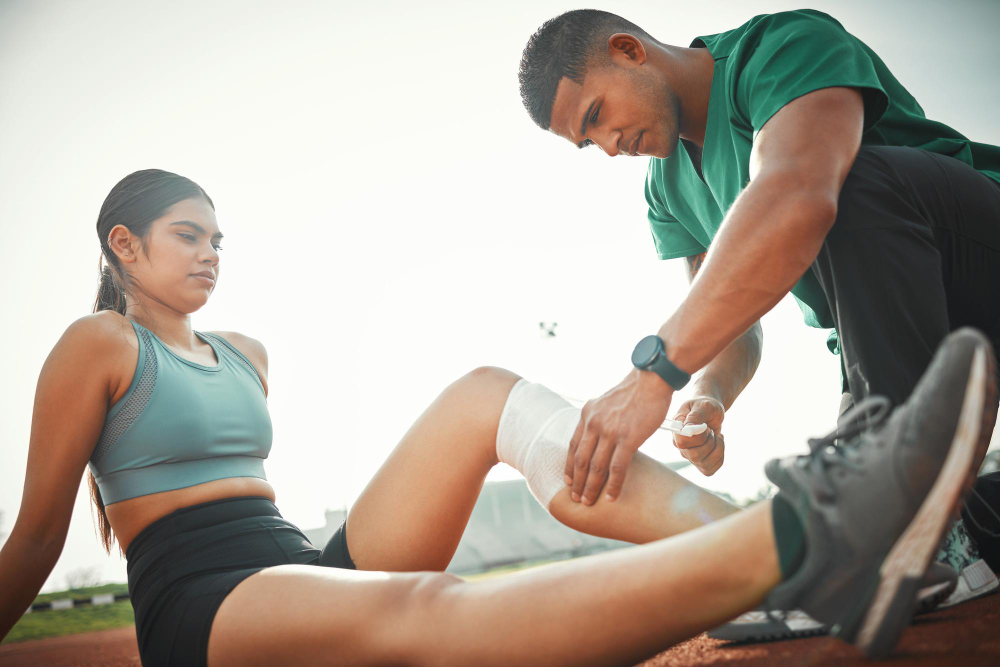
Many people ask, “Can regenerative medicine really help heal sports injuries?” This question is important for athletes and anyone who enjoys physical activity. Regenerative medicine is a new field in orthopedic surgery. It focuses on helping the body heal itself. Because sports injuries are common, finding better ways to heal them is important. In this blog, you will learn how regenerative medicine may help with sports injuries, what treatments are available, and what science says about their success.
What Is Regenerative Medicine?
Regenerative medicine uses the body’s own cells or tissues to repair damage. For example, doctors may use special cells called stem cells. Sometimes, they use platelet-rich plasma (PRP) from your blood. These treatments aim to help the body heal faster and more naturally. Unlike surgery, regenerative medicine tries to fix the problem at its source. As a result, many people are interested in these new options.
Common Sports Injuries Treated With Regenerative Medicine
Regenerative medicine for sports injuries is becoming more popular. Doctors use it for many types of injuries. Some common injuries treated include:
Because these injuries can be slow to heal, many athletes look for new treatments. Regenerative medicine may offer hope for faster recovery.
How Does Regenerative Medicine Work?
Regenerative medicine works by using your body’s own healing powers. First, doctors collect cells or blood from your body. Next, they process these cells to make them stronger. Then, they inject them into the injured area. For example, PRP therapy uses your blood’s platelets to help heal tissues. Stem cell therapy uses special cells that can become many types of tissue. Over time, these treatments may help repair damage and reduce pain. However, results can vary from person to person.
Benefits and Limitations of Regenerative Medicine for Sports Injuries
There are several benefits to orthopedic regenerative treatments. For instance, these treatments may:
However, there are also some limitations. Not all injuries respond well to regenerative medicine. Sometimes, more research is needed to know how well these treatments work. In addition, insurance may not cover all costs. Therefore, it is important to talk with your doctor about your options.
Scientific Evidence and Success Rates
Many studies have looked at regenerative medicine for sports injuries. For example, research in medical journals shows that PRP therapy can help some tendon injuries heal faster. Stem cell treatments also show promise for cartilage repair. However, the World Health Organization (WHO) and other experts say more large studies are needed. Because results can differ, not everyone will see the same benefits. Still, many patients report less pain and better movement after treatment.
When to Consider Regenerative Medicine
Not every sports injury needs regenerative medicine. Usually, doctors suggest these treatments when:
Before starting any treatment, always talk to an orthopedic specialist. They can help you decide if regenerative medicine is right for you.
Prevention and Recovery Tips for Sports Injuries
Although regenerative medicine can help, it is best to prevent injuries. Here are some tips to stay healthy:
In addition, listen to your body. If you notice pain or swelling, seek help early. Early care can prevent small injuries from becoming big problems.
Conclusion
In summary, regenerative medicine offers new hope for healing sports injuries naturally. While it may not work for everyone, many people see benefits. Because every injury is different, you should consult an orthopedic specialist at REGENIO Center for Orthopaedics to learn if regenerative medicine is right for your sports injury..