
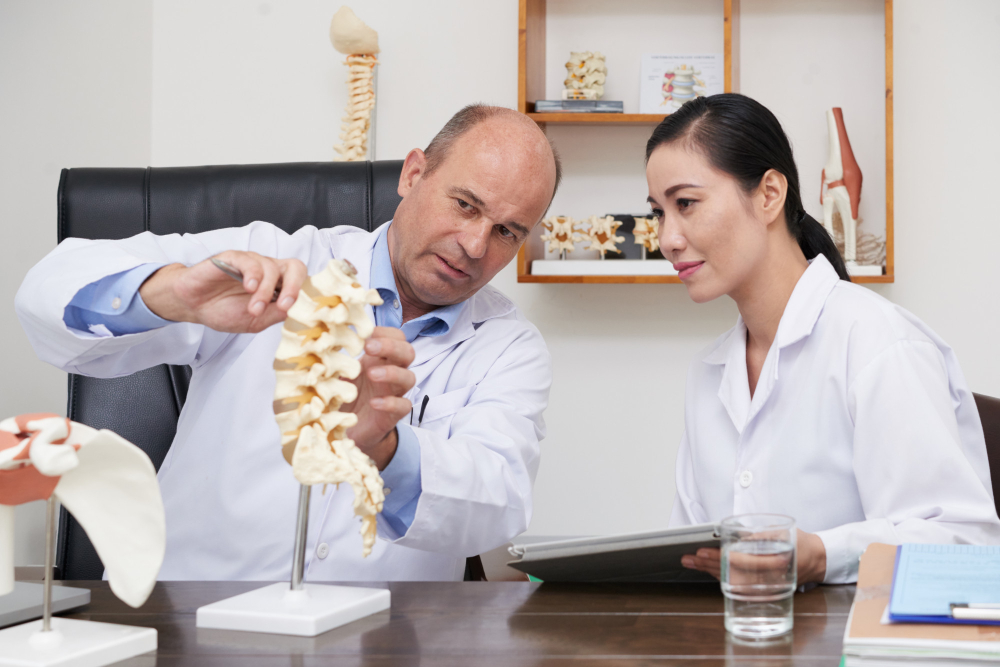
Introduction to Stem Cell Therapy in Orthopedics
Stem cell therapy in orthopedics is changing how doctors treat joint pain and injuries. Many people now look for less invasive options for healing. Because of this, stem cell therapy is gaining attention. This treatment uses special cells from your body to help repair damaged tissues. As a result, it can offer hope for those with long-lasting pain or slow-healing injuries.
How Stem Cell Therapy Works
First, doctors collect stem cells from your bone marrow or fat tissue. Next, they process these cells in a lab. Then, the stem cells are injected into the injured area, such as a knee or shoulder. These cells can turn into different types of tissue, like bone or cartilage. Therefore, they help your body heal itself. In many cases, this process can speed up recovery and reduce pain.
Key Benefits for Orthopedic Conditions
Stem cell therapy for joint pain and other orthopedic problems offers several benefits. For example, it can:
Additionally, many people like that this treatment uses their own cells. Because of this, the risk of rejection or side effects is lower.
Common Orthopedic Conditions Treated with Stem Cell Therapy
Doctors use orthopedic stem cell treatment for many conditions. Some of the most common include:
For many patients, stem cell therapy offers a new option when other treatments have not worked.
Safety, Effectiveness, and Current Research
Many studies show that stem cell therapy is safe for most people. According to the World Health Organization and recent medical journals, side effects are rare. However, some people may feel mild pain or swelling after the injection. Most side effects go away quickly. Research shows that stem cell therapy can help reduce pain and improve joint function. Still, more studies are needed to know the long-term effects. Because of this, doctors often use stem cell therapy along with other treatments.
Lifestyle Guidance and What to Expect During Treatment
Before starting stem cell therapy, your doctor will check your health and discuss your options. During the procedure, you may feel some pressure or mild discomfort. After treatment, you should rest the treated area for a few days. However, most people return to normal activities quickly. To get the best results, follow your doctor’s advice. For example, you may need gentle exercises or physical therapy. Eating healthy foods and staying active can also help your body heal faster.
Prevention Tips and Maintaining Orthopedic Health
Even though stem cell therapy can help, it is important to care for your joints every day. Here are some tips to keep your bones and joints healthy:
By following these tips, you can lower your risk of joint problems and enjoy better movement.
Conclusion
In summary, stem cell therapy in orthopedic treatments offers many benefits. It can help repair joints, reduce pain, and speed up recovery. Although more research is ongoing, many people find relief with this treatment. Consult an orthopedic specialist at REGENIO Center for Orthopaedics to learn if stem cell therapy is right for you.