
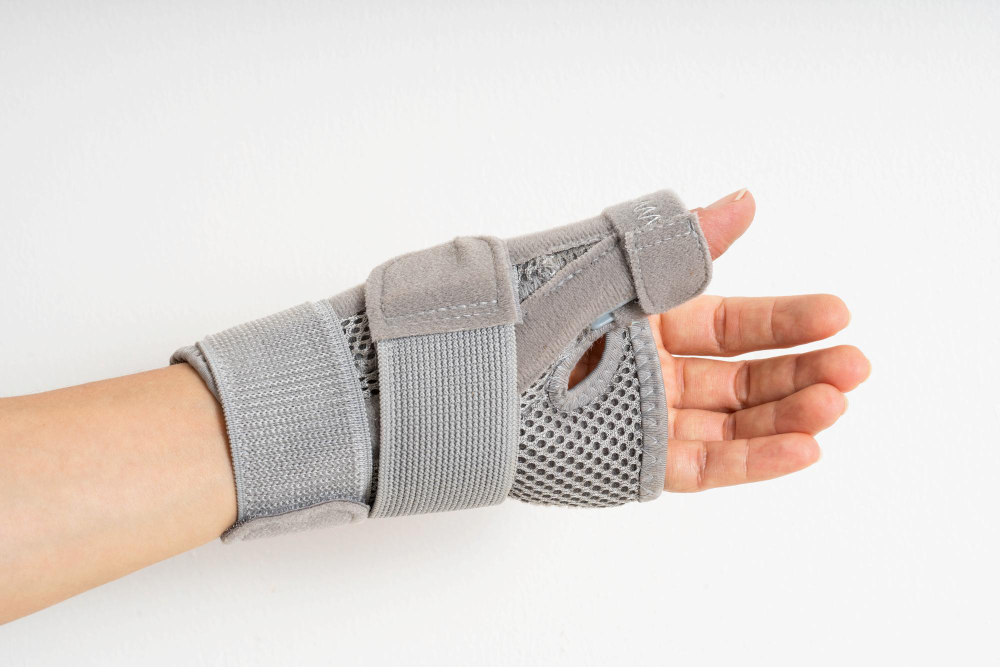
What Are Splints?
Splints are medical devices used to support and protect injured bones or joints. They help keep the injured area still, which allows it to heal. Often, doctors use splints for injuries like sprains, fractures, or strains. Because splints are easy to apply and remove, they are a common choice for many injuries. Orthopedic splints come in different shapes and sizes to fit various body parts.
Common Types of Splints
There are several types of splints, each designed for a specific purpose. Knowing the types can help you understand which one might be used for your injury. Here are some common types of splints:
When Are Splints Used?
Doctors use splints in many situations to help with injury immobilization and healing. For example, splints are helpful when:
Sometimes, splints are used before a cast is applied. This is because swelling can change the fit of a cast. In these cases, a splint keeps the area safe until swelling goes down.
How Are Splints Applied?
Applying a splint is a careful process. First, the injured area is checked for cuts, swelling, or other problems. Next, padding is placed around the injury to protect the skin. Then, the splint is shaped and secured with bandages or straps. Finally, the doctor checks your fingers or toes for warmth and color. This ensures blood flow is not blocked. If you need a splint at home, always follow your doctor’s instructions.
Caring for Your Splint
Proper splint care helps prevent problems and speeds up healing. Here are some tips for caring for your splint:
If your splint becomes wet or damaged, contact your doctor right away. Wet splints can cause skin problems or lose their shape.
Tips for Safe Splint Use
Using your splint safely is important for healing. For best results, try these tips:
Because splints are designed for support, using them correctly helps prevent further injury.
When to Seek Medical Help
Sometimes, problems can develop even with proper splint care. Seek medical help if you notice:
Early attention to these signs can prevent serious problems. Always contact your healthcare provider if you are unsure.
In summary, splints are helpful tools for injury immobilization and healing. With the right care and use, they support recovery and comfort. Consult an orthopedic specialist at REGENIO Center for Orthopaedics for personalized advice about splints and injury care.